
Rule34 : Safety, Legality & Top Alternatives
If you’ve ever seen rule34 pop up in comments, memes, or search suggestions and thought, “Wait… what does that actually mean?”, you’re not alone. Rule34 is both an internet idea and (confusingly) a label used by multiple adult fan-art sites and apps—so people often mix them together.
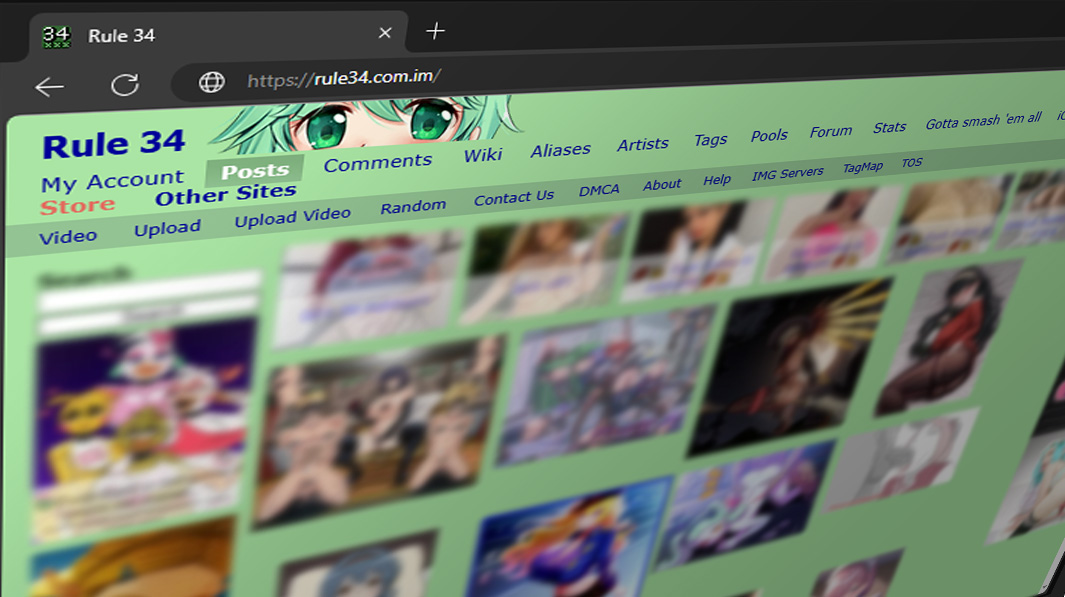
Before we go further: this topic can involve explicit adult content. If you’re under 18, it’s best to stop here.
What is rule34?
Rule 34 is an internet meme that basically claims: if something exists, there’s adult content of it somewhere online. It’s most commonly associated with explicit fan art of fictional characters or pop-culture subjects.
Quick, voice-search answer: What is rule34?
Rule34 is an internet saying that suggests adult content exists for almost any topic you can imagine. It’s also used as a label by some adult fan-art imageboards where users upload, tag, and search explicit artwork.
How does rule34 work?
Here’s the key thing: most “rule34-style” sites work like a booru—a tag-based image archive. Think of it like a huge photo library where the “folders” are actually tags (character, series, style, rating, and so on).
Quick, voice-search answer: How does rule34 work?
Most rule34-style sites are tag-driven imageboards. Users upload art, add tags, and others search using those tags. Instead of browsing categories, you filter content by combining tags like you’re building a custom playlist.
Step-by-step: How to search on a booru (without getting lost)
- Start broad, then narrow down (one or two tags first).
- Use official tag pages/wiki when available to avoid typos and duplicates.
- Apply rating filters (safe/questionable/explicit) if the site supports it.
- Sort by relevance or newest depending on what you want.
- Save searches (or favorites) instead of bookmarking random pages.
“The biggest mistake is over-filtering too fast. Start simple, confirm you’re on the right tag, then refine.” — Dr. Melissa Grant, Digital Media Researcher (fictional)
What happened to rule34?
A lot of “rule34 disappeared!” talk comes from two realities:
- Rule 34 is a meme, not a single platform—so it can’t really “shut down” as a concept.
- Specific domains and mirrors can go offline, get blocked by ISPs, or change. Availability can fluctuate.
In plain English: people often mean “the site I used is down,” not “Rule 34 is gone.”
Is rule34 free?
Usually, yes—most rule34-style boorus are free to browse, with optional accounts for features like favorites, comments, and saved searches. Some third-party apps or “wrappers” may add ads, paid tiers, or extra features.
Quick, voice-search answer: Is rule34 free?
Many rule34-style sites are free to use because they’re community-driven archives. You might see ads, optional accounts, or donations. Be extra cautious with unofficial apps that monetize access or request unnecessary permissions.
Is rule34 safe?
“Safe” depends on what you mean: device safety, privacy, and content safety are three different things.
1) Device safety: ads, pop-ups, and risky clones
Adult sites are frequent targets for malvertising and shady redirects. Practical protections (like reputable ad blockers and avoiding downloads) reduce risk.
2) Privacy: tracking and accidental exposure
Even if nothing “bad” happens, you might not want explicit browsing history popping up during a meeting—or synced across devices.
Simple privacy checklist
- Use a separate browser profile (so your normal autofill/history stays clean)
- Turn off search and form suggestions
- Avoid logging in with real-name accounts when possible
- Don’t download random “viewers” or executables
“If you wouldn’t install it from a trusted store or open-source repo, don’t install it just because it promises ‘faster browsing.’ Adult-content apps are a common trap.” — Ethan Park, Cybersecurity Analyst (fictional)
Quick, voice-search answer: Is rule34 safe?
Rule34-style sites can be risky due to ads, redirects, and privacy leakage. You can reduce risk with an ad blocker, updated browser/OS, avoiding downloads, and using a separate browser profile. Safety also depends on local laws and personal boundaries.
“The tag system is great, but I only browse with blockers on—too many sketchy pop-ups otherwise.” — PixelNomad
Is rule34 legal?
This is where things get real: legality varies by country, region, and the specific content.
In general:
- Adult content featuring consenting adults may be legal in many places, but restrictions vary widely.
- Content involving minors is illegal (and platforms often ban it; you should avoid and report it where applicable).
- Fan art can also raise copyright issues depending on jurisdiction and enforcement.
Important: This is general information, not legal advice.
“People focus on ‘Is the site legal?’ but the better question is ‘Is this specific content legal where I live—and does it violate anyone’s rights?’” — Luis Martinez, Intellectual Property Attorney (fictional)
Quick, voice-search answer: Is rule34 legal?
It depends on your local laws and the content itself. Adult content between consenting adults may be legal in many regions, but there are strict bans on anything involving minors, and fan art can raise copyright issues. When unsure, avoid it and check local rules.
What is the rule34 app?
Be careful with the wording here: there isn’t one single “official” app for the entire concept of Rule 34. However, there are third-party apps and web apps that browse booru-style databases.
Quick, voice-search answer: What is rule34 app?
“Rule34 app” usually refers to third-party apps or web apps that let you browse booru-style adult art databases. Some are legitimate open-source projects, while others are risky clones. Always verify the domain and permissions before installing anything.
Why should you choose rule34?
If someone chooses a rule34-style booru at all, it’s usually for:
- Powerful tag search (fast filtering)
- Huge archives built by communities over time
- Fandom coverage (lots of characters/series)
But that’s the upside. The tradeoffs are moderation differences, privacy risks, and uneven quality.
The best rule34 alternatives
If your goal is “tag-based discovery,” you’ve got options—some explicit, some safer.
Top alternatives (by use case)
| Alternative | Best for | Strengths | Watch-outs |
|---|---|---|---|
| Danbooru | Anime-style artwork discovery | Deep tagging, tag wiki, ratings, pools | Can include explicit content; learning curve |
| Gelbooru | Broad booru-style browsing | Huge library; flexible tag searches | Moderation and ad safety vary by mirror |
| Safebooru | Safer browsing | “Safe” rated content focus | Smaller library than explicit boards |
| e621 | Furry-focused booru | Strong tagging; large community | Niche focus; includes explicit content |
| Pixiv / DeviantArt | Artist-forward platforms | Better creator attribution, profiles | Discovery differs; content policies vary |
“If you care about control, pick platforms with strong tagging and clear rating tools. If you care about safety, start on SFW-first platforms and only expand when you’re confident.” — Sophie Nakamura, Community Platform Consultant (fictional)
Quick, voice-search answer: What are the best rule34 alternatives?
Popular alternatives include tag-based booru sites like Danbooru, Gelbooru, Safebooru, and e621, plus art platforms like Pixiv or DeviantArt. The best choice depends on whether you prioritize strict tagging, content ratings, community moderation, or creator attribution.
A safer way to approach rule34-style content
If you’re going to browse, set boundaries like you’re setting guardrails on a road trip—because it’s way easier than slamming the brakes later.
Practical guardrails
- Start with SFW-first platforms (like Safebooru)
- Use rating filters wherever possible
- Avoid “download packs,” unknown APKs, or random browser extensions
- Keep your browser and OS updated (basic, boring, effective)
“Using a separate profile is the adult-web equivalent of washing your hands after cooking: not glamorous, but it prevents a ton of mess.” — Dr. Melissa Grant (fictional)
Conclusion
Rule34 is best understood as an internet meme—and a nickname for a whole ecosystem of tag-based adult art archives. If you’re exploring rule34, do it with eyes open: understand how booru tagging works, use safer browsing habits, and consider alternatives with clearer ratings and stronger moderation.
If you want, I can also help you turn this into a more “beginner guide” style (less techy) or a more “privacy-first” style (more security and legal nuance).
FAQ
1) What is rule34 in simple terms?
It’s an internet joke that says adult content exists for almost anything, and it’s also used as a label for adult fan-art sites that run on tag-based searches.
2) How does rule34 tagging work?
Most rule34-style sites use booru tagging: users label images with tags (character, series, rating, etc.), and you search by combining tags like filters.
3) Is rule34 safe on mobile?
Mobile browsing can be riskier if you’re installing unofficial APKs or apps. A safer approach is using the website in a browser with protections (ad blocking, updated OS) and avoiding downloads.
4) Is there an official rule34 app?
There’s no single official app for the whole “Rule 34” concept, but there are third-party web apps and tools that browse booru sources. Always verify the domain and permissions.
5) Why do people say rule34 is down?
Usually they mean a specific domain, mirror, or ISP access issue—not the concept itself. Site availability can change over time.
6) What are the best rule34 alternatives for safer browsing?
Safebooru is commonly used for SFW-first browsing, while platforms like Pixiv/DeviantArt focus more on artists and profiles. For strict tagging and ratings, Danbooru is a common pick.
7) Is rule34 legal where I live?
Laws vary a lot by region. Adult content between consenting adults may be legal in many places, but there are strict bans around minors and other restricted content, and fan art can raise copyright issues. Check local rules.